
Historic Faith. Doctrinal Clarity. Spiritual Renewal.
Historic Protestant Christianity did not arise suddenly in the sixteenth century, nor does it stand detached from the church of earlier centuries. It stands in continuity with the apostolic Gospel, the doctrinal clarity of the early church, and successive movements of reform and renewal throughout history.
Again and again, seasons of spiritual vitality have followed the recovery and faithful proclamation of Scripture. The story of Protestantism is therefore not innovation, but restoration – not novelty, but renewal through truth.
The Early Church: Guarding the Apostolic Faith
From its earliest centuries, the church laboured to preserve and defend the truth handed down by the apostles.
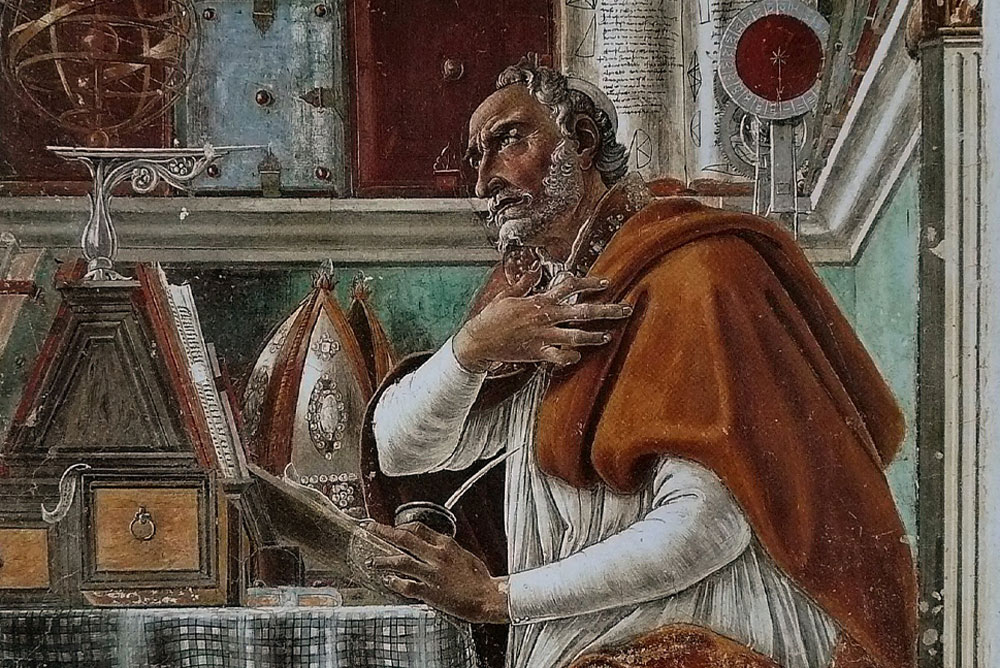
Leaders such as Athanasius of Alexandria defended the full deity of Christ against serious doctrinal error, while theologians like Augustine of Hippo articulated the doctrines of grace that would profoundly shape later Christian thought.
The creeds and councils of the early church did not create new truth, but clarified and safeguarded Biblical teaching. Historic Protestantism stands firmly within this stream of orthodox Christianity – confessing the Trinity, the full deity and humanity of Christ, and salvation by divine grace.
The Reformation: Recovery of the Gospel
The sixteenth-century Reformation was not the founding of a new church, but the recovery of Biblical doctrine that had become obscured over time.
Reformers such as Martin Luther, John Calvin and John Knox called the church back to the authority of Scripture, justification by faith alone, and the centrality of Christ’s saving work.
The Reformation restored clarity regarding:
- The supreme authority of Holy Scripture
- Salvation by grace alone through faith alone in Christ alone
- The ordinary means of grace – Word, sacraments, and prayer
- Worship that is Biblical and exalting of God
- Ordered, accountable church life
Far from being shallow or modern, Protestantism emerged as a disciplined, doctrinally rich, and historically conscious expression of Christian faith.

Revival and Doctrinal Renewal
Throughout church history, spiritual renewal has consistently followed renewed attention to Biblical truth.
The First Great Awakening, associated with figures such as George Whitefield and Jonathan Edwards, illustrates this pattern. Powerful preaching grounded in Scripture led to deep conviction of sin, renewed faith in Christ, and lasting spiritual fruit.
This pattern was mirrored in South Africa during the 1860 Awakening. Centred in Worcester and championed by Andrew Murray, this movement saw a sudden, widespread recovery of prayer and Biblical devotion. It proved that true revival is the Spirit of God working through the faithful proclamation of truth, leading to lasting fruit such as the 'Pinkster' tradition and a renewed zeal for missions.
True revival has never been mere emotionalism. It has been the Spirit of God working through the faithful proclamation of Biblical doctrine.
Where the Gospel is clearly taught, the church is strengthened. Where truth is obscured, decline follows.
Protestant Roots in South Africa
Protestantism in South Africa is not merely a colonial import but a complex history of confession and revival.
From the arrival of French Huguenot refugees at the Cape in the late 17th century, bringing with them Reformed faith and life, to the establishment of historic Dutch Reformed congregations such as Strooidakkerk in Paarl (1691) and others in Franschhoek and Wellington, Protestant witness has been woven into the nation’s fabric.
Mission efforts such as the Moravian settlement at Genadendal (1738), the first mission station in Southern Africa, pioneered Scripture teaching and community formation among indigenous peoples. Over subsequent centuries, Reformed and Presbyterian bodies — including the Maranatha Reformed Church of Christ (founded 1923) and the Uniting Reformed Church in Southern Africa – have continued to nurture theological depth, worship, and discipleship. Influential figures like Andrew Murray further helped shape Protestant piety and mission across the land.
In this broader Protestant stream, the Protestant Association of South Africa was founded in 1925 to uphold and articulate these doctrines and to serve the church with historical faithfulness. See Our Hsitory For More