We are in a confused age. While postmodernism was defined by scepticism and the deconstruction of "grand narratives" including Scripture, the age we are in now has moved toward a new kind of "sincere" subjectivity.
Postmodernism said "There is no such thing as absolute truth." Our confused age or “metamodernism” says "I know truth is subjective, but I’m going to act as if my feelings and my community's values are absolute anyway."
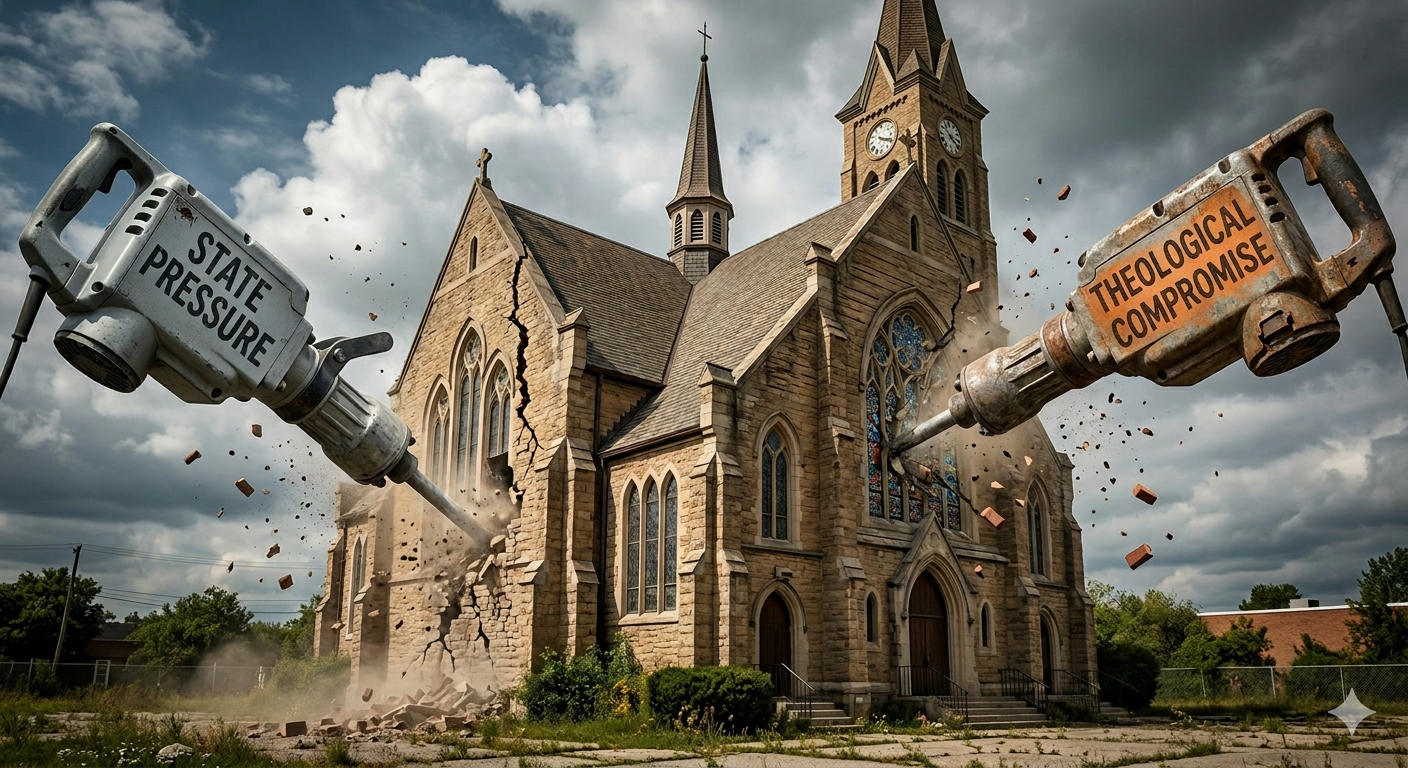
People and churches do not see decisions to conform to culture as "breaking the rules", but rather as them "evolving" toward a "higher sincerity" or a more "inclusive love" that overrides the historic understanding of Scripture, that they feel applied to a culture of a bygone age. It is an attempt to marry traditional religious belief with modern secular ethics.
The result: a confused and crumbling South African church, that has lost its first love and ‘saltiness’.
We see this impacting the church in many practical ways, including:
- Church leaders question the reliability of Scripture.
- Congregations hosting interfaith religious ceremonies.
- Denominations debating whether biblical teaching on marriage still applies.
These developments raise an unavoidable question:
What happens to the church when the authority of Scripture is weakened? When Scripture Is No Longer the Final Authority?
In recent years several controversies have highlighted the growing theological divide within South African churches.
Within parts of the Dutch Reformed Church, public theological statements have questioned central elements of historic Christian belief. Some theologians have suggested that key biblical teachings should be reinterpreted in light of modern cultural insights.
In 2025 a Dutch Reformed congregation in Hermanus hosted a widely discussed interfaith communion service, where representatives of different religions participated in what resembled a Christian sacramental gathering. Inviting unbelievers to the Lord’s table, celebrating the atoning death on the cross of Jesus Christ is a heresy. Yet this was supported by church authorities.
At the same time debates within the denomination over human sexuality, biblical authority, and church discipline have intensified.
The tensions have not remained confined to South Africa. In 2025 the Dutch Reformed Church in Namibia formally withdrew from the denomination’s General Synod after years of disagreement about doctrinal direction and biblical authority.
These developments reflect a deeper problem: a loss of clarity about what Scripture actually teaches and whether the church must submit to it.
Similar Struggles Across the Wider Church
The same pattern can be seen in other denominations.
Within the Anglican Communion, tensions have grown over the ordination of women to the episcopate, same-sex marriage, and the blessing of same-sex unions. In a number of provinces and dioceses, leaders have embraced positions that many Christians believe are contrary to the clear teaching of Scripture and the historic doctrine of the Church.
At the same time, many Anglican churches, particularly in Africa and among confessional Evangelicals elsewhere, have remained committed to the authority of Scripture and have resisted these developments. They contend that faithfulness to Christ requires maintaining the biblical teaching handed down through the generations.
The result has been increasing division and fragmentation within the worldwide Anglican Communion as churches wrestle with questions of biblical authority, doctrine, and moral teaching.
The Pattern Is Not New
While these events may seem unprecedented, church history shows that the underlying issue is familiar.
The Protestant Reformation itself was born out of a similar crisis.
The Reformers argued that when the church begins to place human authority, cultural pressure, or ecclesiastical tradition above Scripture, the gospel itself eventually becomes obscured.
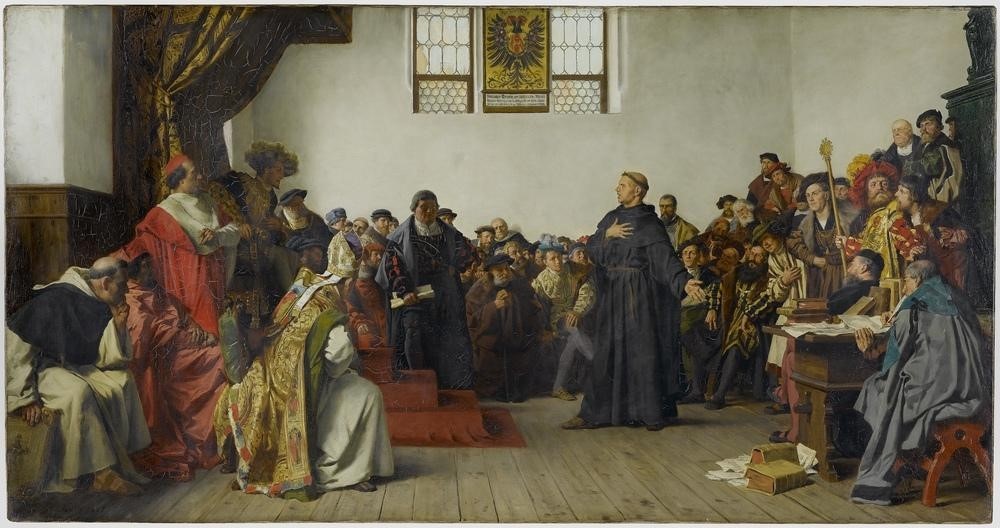
Martin Luther and John Calvin insisted that the church must always be reformed according to the Word of God — ecclesia reformata semper reformanda secundum verbum Dei.
At stake was the very heart of the gospel: that sinners are justified before God by grace alone through faith alone in Christ alone.
A Heritage South Africa Should Not Forget
South Africa’s Christian history was deeply shaped by this Protestant conviction.
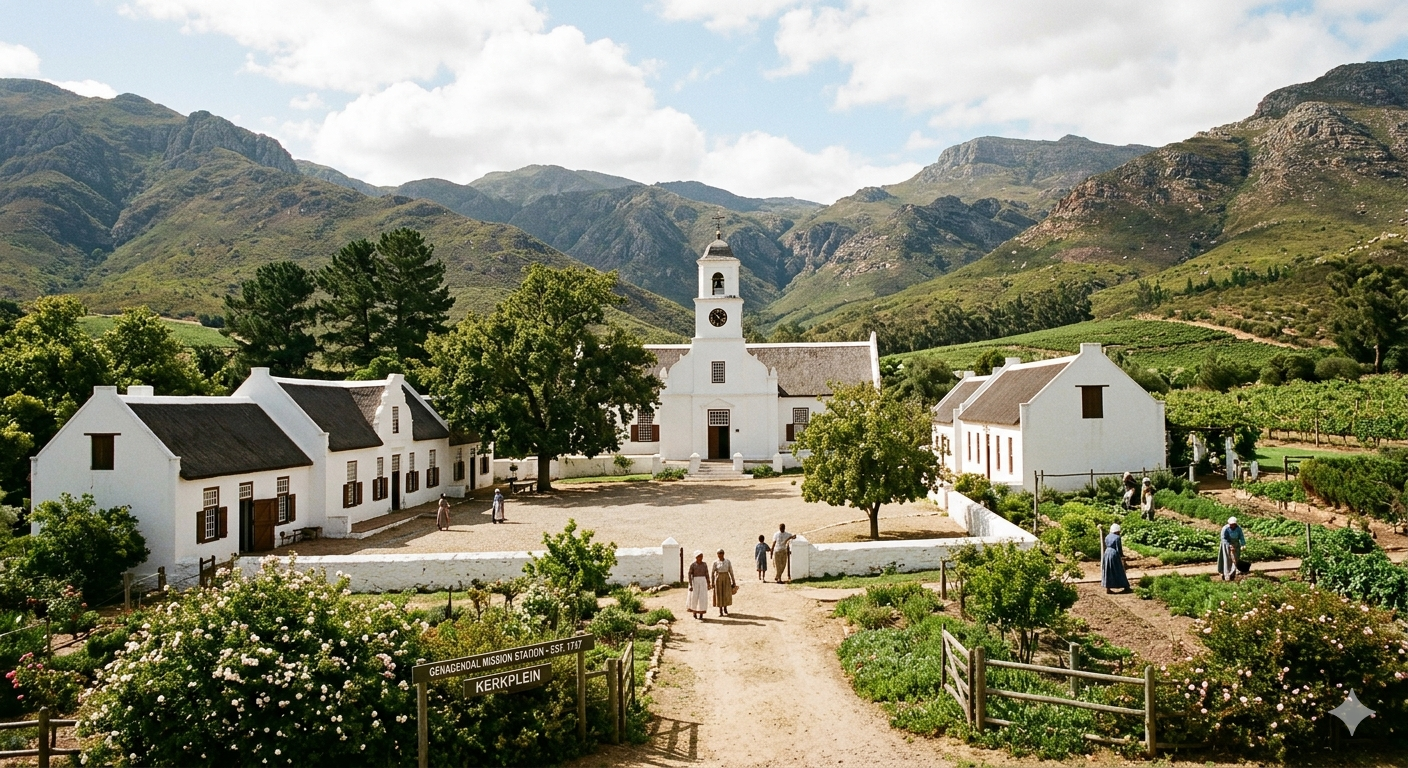
From the Moravian mission work at Genadendal in the eighteenth century to the spread of Reformed and evangelical churches across the country, generations of believers laboured to build churches grounded in Scripture and the gospel.
- Missionaries preached repentance and faith in Christ.
- Pastors taught the doctrines of grace.
- Congregations gathered around the Word of God.
This heritage helped shape the spiritual life of the country for centuries.
Why the Present Moment Matters
The current debates within South African churches are not merely internal disagreements about policy or culture.
They reflect a core theological question:
Is the Bible still the final authority for the church?
If Scripture is authoritative, then its teaching cannot be reshaped to fit cultural trends.
But if Scripture becomes only one voice among many – alongside tradition, psychology, sociology, or political pressure – then the church inevitably begins to drift.
The history of Christianity shows that once this shift occurs, doctrinal confusion quickly follows.
A Call to Recover Biblical Christianity
The Protestant Association of South Africa exists to encourage a renewed commitment to historic biblical Christianity.
Historic Protestantism does not seek novelty. It stands within the stream of orthodox Christianity that confessed the Trinity, the full deity and humanity of Christ, and salvation by grace long before the Reformation.
But the Reformers insisted that the church must always return to the foundation: Scripture alone as the final authority for faith and life.
South Africa does not need a reinvented Christianity.
It needs a recovered one.
A church confident in the authority of God's Word.
A church clear about the gospel of grace.
A church willing to stand firm even when cultural pressure pushes in the opposite direction.
The future of the church in our country will not be secured by accommodation to the spirit of the age.
It will be secured by truth.